
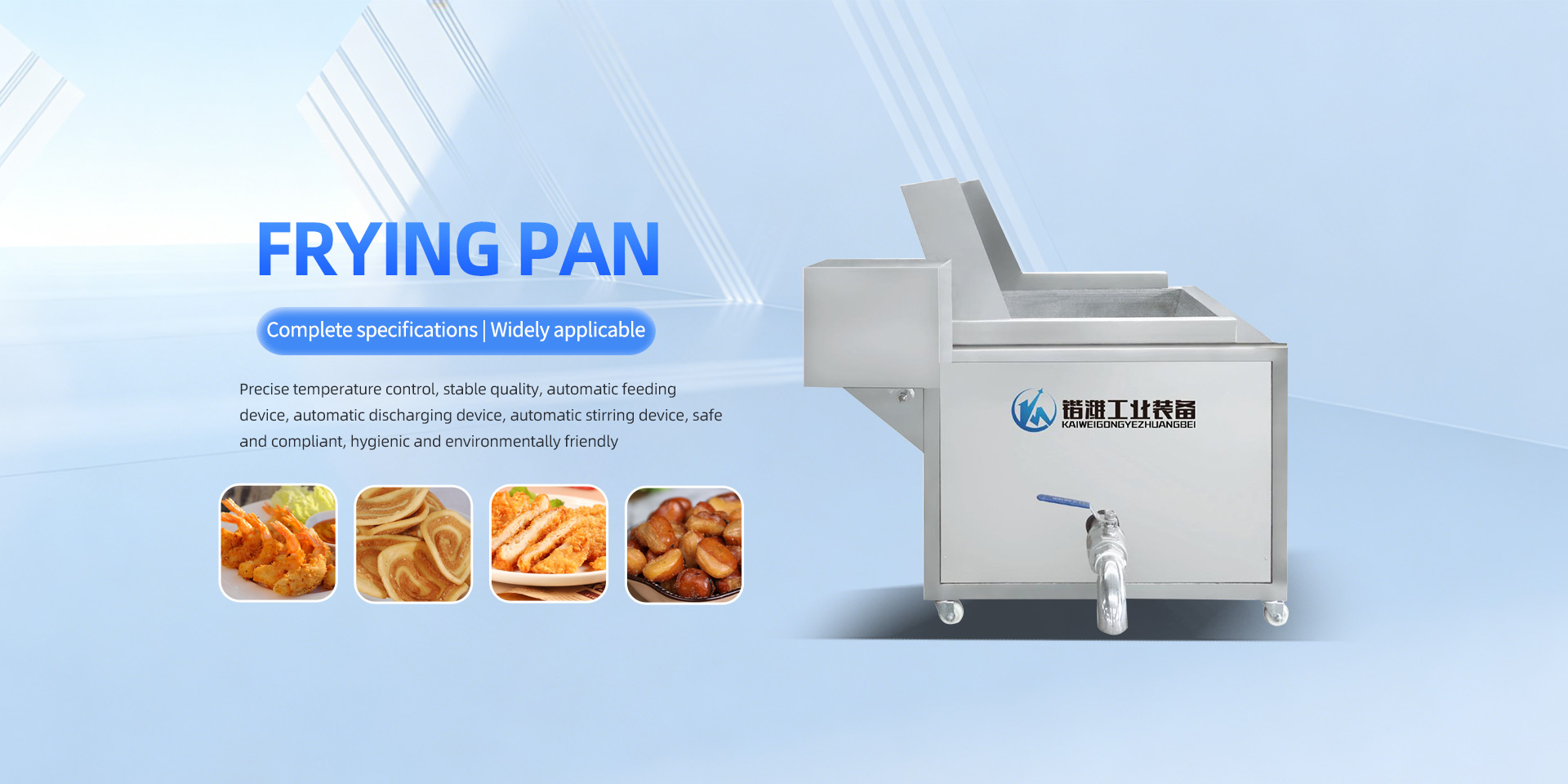
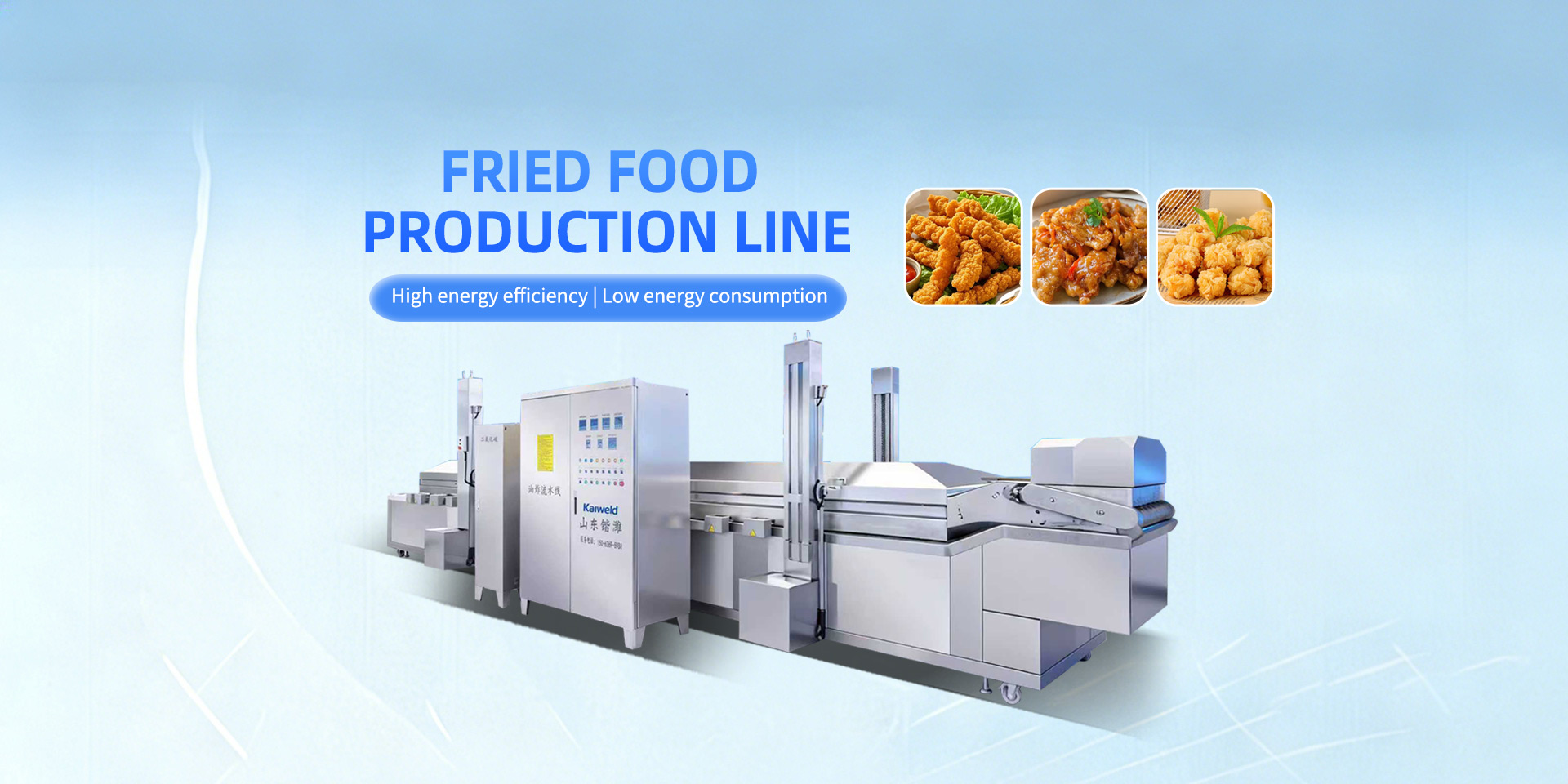
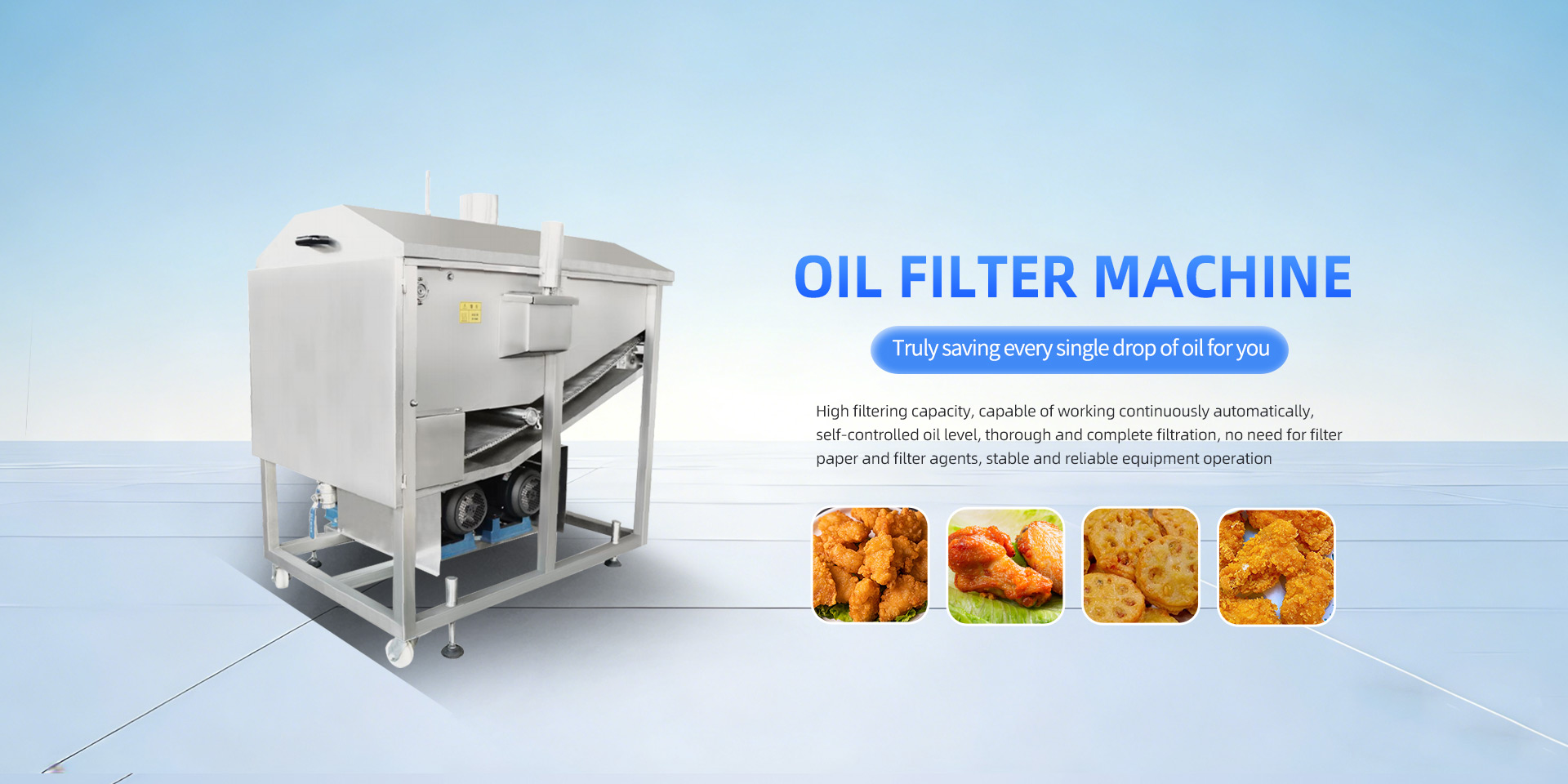
The temperature control accuracy of industrial frying pans is not a uniform standard. The core is designed according to the type of frying process, equipment heating method, and production scale requirements. The temperature control accuracy of conventional frying machine models is * *± For models with strict temperature requirements such as low-temperature vacuum frying within 2 ℃, the temperature control accuracy can reach * *± Within 1 ℃, this is also one of the core differences between industrial grade equipment and commercial/household frying pans. The temperature control accuracy and adaptation scenarios of different types of industrial frying pans are clearly divided, as follows:
1、 Conventional continuous/intermittent fryer (mainstream industrial models)
This type of machine is suitable for the production of most fried foods (potato chips, fried chicken, nuts, deep-fried dough sticks, meat products wrapped in syrup, etc.), and is commonly used in food factories. The heating methods are mainly electric heating, gas heating, and steam heating. The core adopts microcomputer PLC intelligent temperature control+global soaking design, and the basic temperature control precision is± At 2 ℃, some models can achieve precision up to * *± by optimizing temperature control through zoning and forced circulation of hot oil; 1.5 ℃ * *.This precision fully meets the requirements of conventional frying processes, effectively avoiding the burnt, undercooked, and uneven color of ingredients caused by temperature fluctuations, ensuring standardized production, and adapting to the full production capacity of 50-1000kg/h. It is also a basic and mandatory requirement for quality control in the food industry.
2、 Low temperature vacuum fryer
Suitable for the production of low-fat and healthy fried foods (such as fruit and vegetable chips, low-temperature meat products, snack foods, etc.), the core is fried in a negative pressure environment of 80-120 ℃, and the ingredients are sensitive to temperature fluctuations; — Small temperature changes can directly affect dehydration rate, oil adsorption rate, and food color. Therefore, this type of model uses high-precision sensors and PID closed-loop temperature control system, combined with indirect heating with thermal oil, to strictly control the temperature control accuracy within the range of; Within 1 ℃.This precision ensures constant oil temperature under negative pressure environment, avoiding carbonization of ingredients caused by local high temperature, while controlling the maturation and dehydration process of ingredients, ensuring a low-fat and crispy core taste.
3、 Large scale thermal oil heating and frying line (mass-produced model)
Suitable for large-scale production of over 300kg/h (frozen food, puffed food, central kitchen mass production), using thermal oil for global circulation heating, with no local high/low temperature zones in the frying area. Equipped with multi-channel temperature sensors for real-time monitoring and PLC centralized temperature control, the temperature control accuracy can reach± 1℃~± 1.5 ℃.The high-precision temperature control of this type of model can meet the standardized requirements of full linkage of the production line, ensuring that the frying effect of each batch of ingredients is completely consistent in large-scale and continuous production. At the same time, it is suitable for multi frying zone zoning operations, and different frying zones can independently control temperature without deteriorating accuracy.

 Check the mobile website